
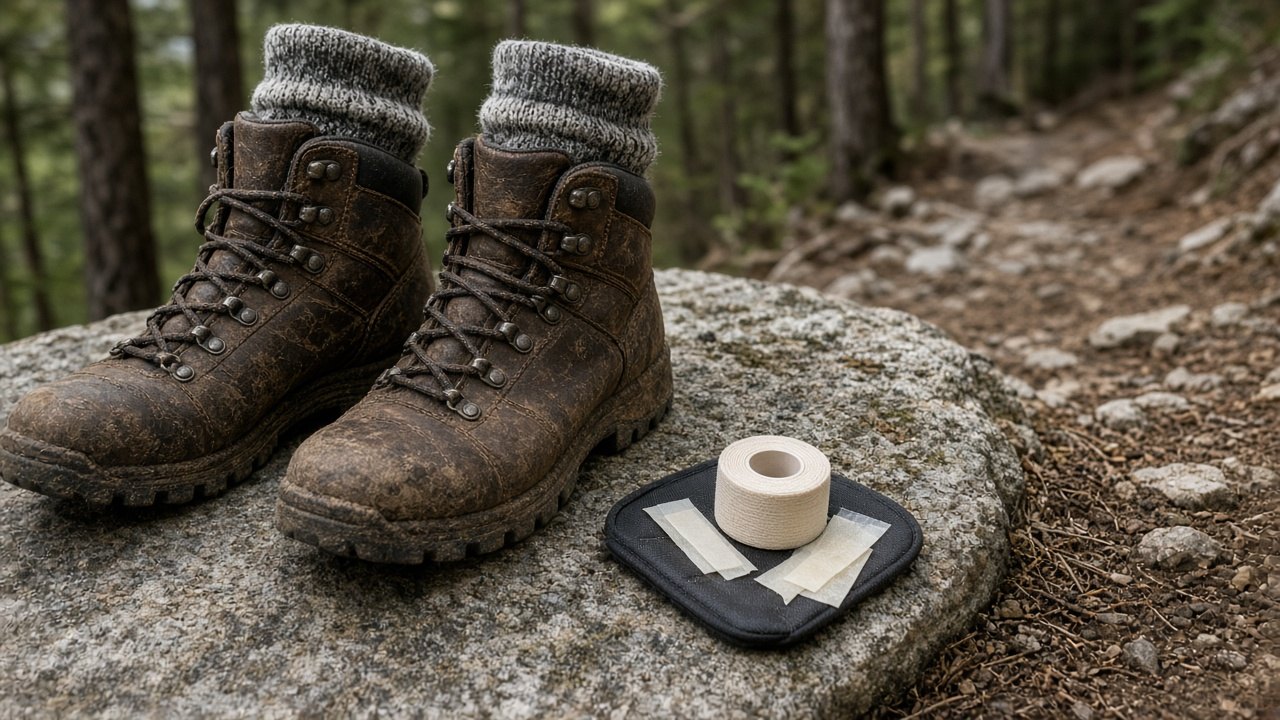
How to avoid blisters while hiking?
· 2 min read · Runaway Outdoor
Blisters can ruin the best hike. Most can be prevented with the right boots, the right socks and a bit of tape in time.
Blisters form when skin rubs against your sock or shoe, usually helped by heat and moisture. The good news: most of them can be prevented.
Break your boots in
Wear new boots on shorter walks for a couple of weeks before the big trip. Both boot and foot get time to adjust.
Get the right size
Try boots on in the afternoon when your feet are at their largest, wearing the socks you'll hike in. Your toes shouldn't hit the front when walking downhill.
Socks make a big difference
Avoid cotton socks on long hikes – they hold moisture. Choose wool or synthetic socks that fit smoothly without wrinkles. Bring a spare pair and change when your feet get damp.
Lace properly
Your heel should stay put. Lace tighter over the ankle and a little looser over the toes. Try different lacing techniques if your heel slips.
Act at the first sign
Stop as soon as you feel a warm, irritated spot. Dry the skin and apply a blister plaster or sports tape before it becomes a blister. A five-minute stop saves days of pain.
If you get a blister anyway
- Leave a small, intact blister alone and protect it with a blister plaster.
- If it's large and tense: clean it, pierce the edge with a sterilised needle, let it drain and keep the skin as a cover.
- See a doctor if it turns red, hot or pus-filled.
From the blog
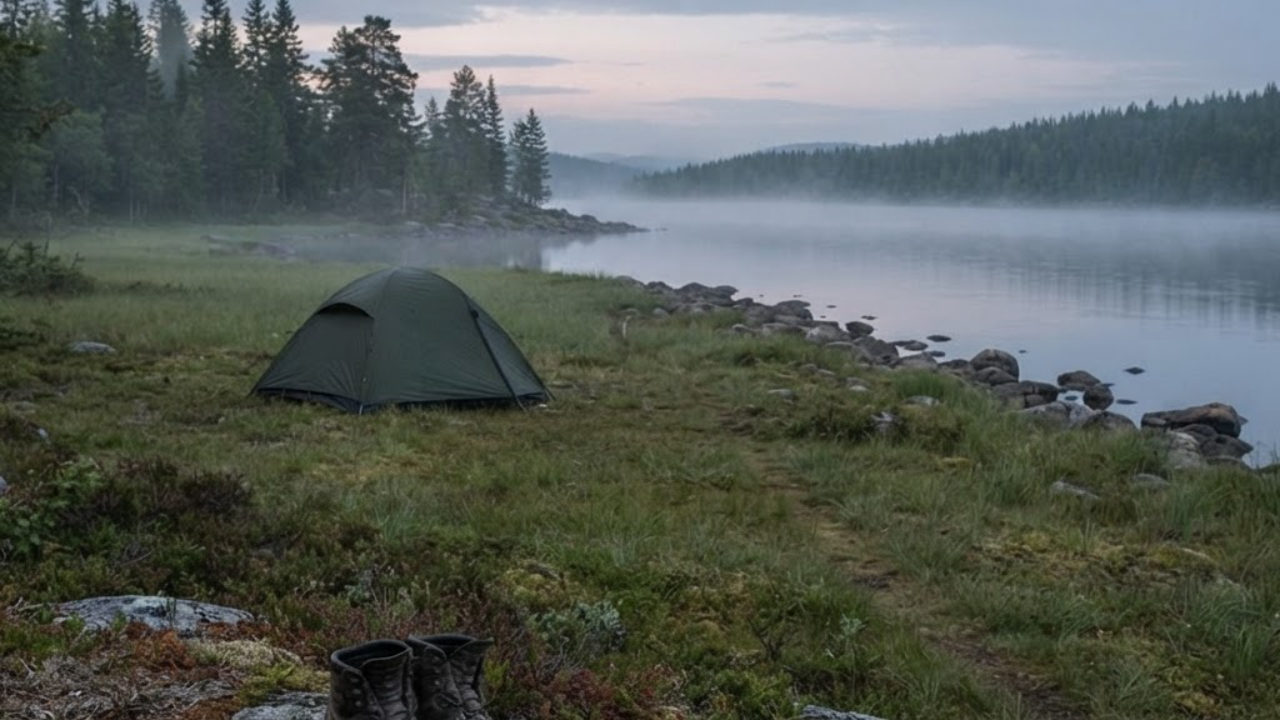
Sleeping Outdoors in Sweden: Tents, Tarps and Shelters
A practical guide to choosing your camping spot in the Swedish wilderness while respecting allemansrätten and local regulations for nature conservation.
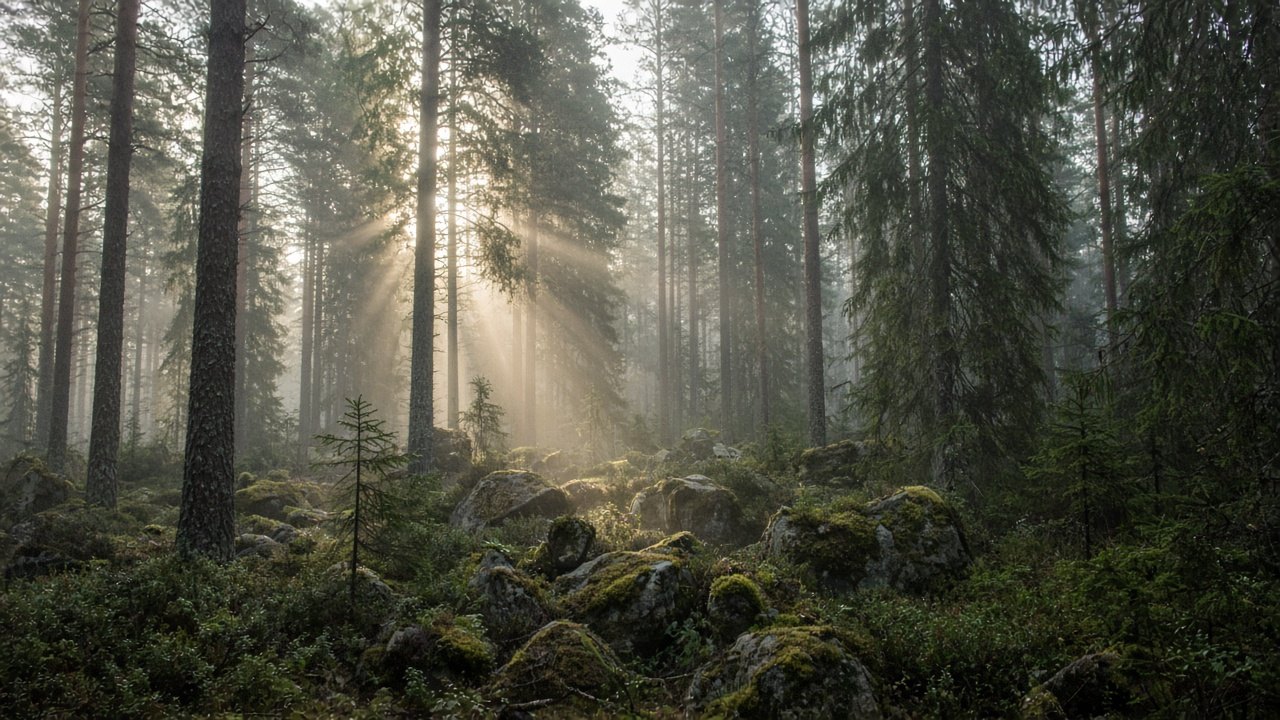
Let's protect our forests together!
Forests give us trails, mushrooms, quiet and fresh air. Here are concrete things you can do to help them thrive – at home and on the trail.
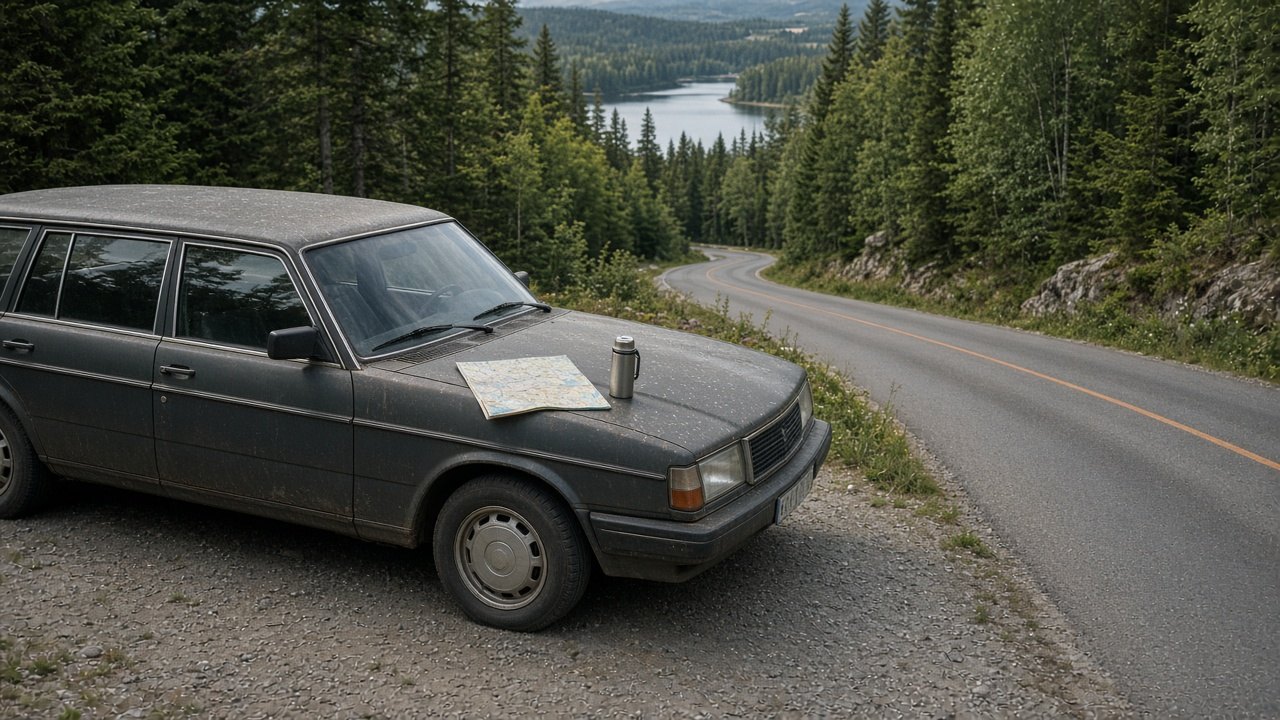
Organize a 6-step road trip for beginners
First road trip? A simple six-step plan saves stress and leaves more time for the fun parts: the road, the views and the stops you didn't know about.