
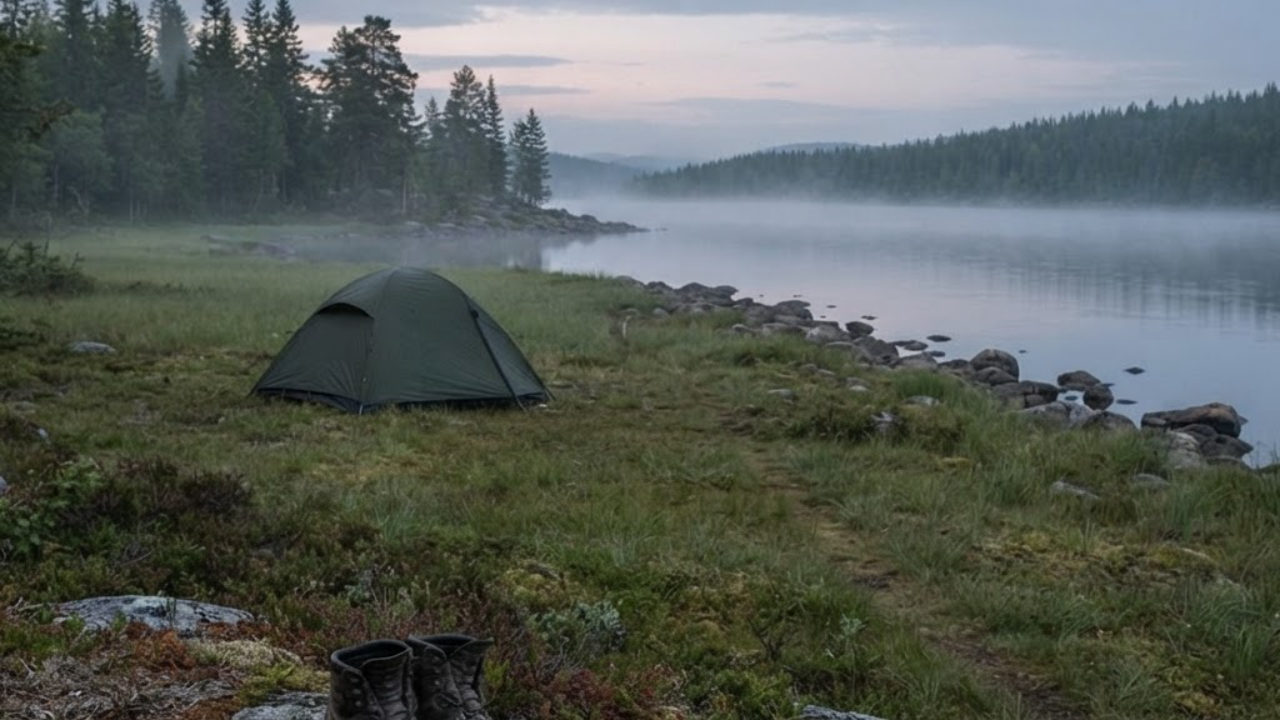
Sleeping outdoors in Sweden: tents, tarps and shelters
· 3 min read · Runaway Outdoor
A practical guide to choosing your camping spot in the Swedish wilderness while respecting allemansrätten and local regulations for nature conservation.
Sleeping under the stars or in a tent is a great way to explore the Swedish wilderness. The allemansrätten, or right of public access, allows you to enjoy the outdoors and camp, but it requires knowledge of the rules. You need to know where you can stay and the responsibilities you have as a camper. Careful planning of your overnight spot minimises your impact on the environment and the privacy of landowners and other visitors.
Camping rules and considerations
According to Naturvårdsverket’s guidelines, you may camp for a day or two in the wild. The basic rule is to not disturb or destroy. Place your tent at a suitable distance from houses so that residents cannot see or hear you from their property. The further away, the better. If you are planning a trip with a large group and multiple tents, you need the landowner’s permission, as this can cause damage to the ground or sanitation issues.
Specific areas and local regulations
Many areas have specific rules that limit the right of public access. In national parks and nature reserves, camping is often limited to designated spots or entirely prohibited. Always check local municipal rules or information from the County Administrative Board before you set off. For more information on the framework for outdoor life, see Naturvårdsverket’s guidance.
Choosing your sleeping spot
- Choose a flat and dry surface. Avoid farmland, cultivated fields or land used for grazing.
- Seek shelter behind ridges or trees to reduce wind exposure, but avoid depressions where water might collect if it rains.
- Keep your distance from buildings and trails to avoid crowding and promote fire safety.
- Remember that vegetation like heather and lichen is sensitive; look for a naturally durable surface.
- Avoid places where you might disturb reindeer husbandry or other animals.
Using shelters and facilities
Along many trails, you will find ready-made shelters. These often have wooden floors, but a sleeping mat is necessary for insulation against the cold ground. Shelters are often located near water, which can mean lower temperatures. If you use facilities at a fjällstuga, a mountain cabin, such as a kitchen or shower, you pay a service fee. If you do not use these services, please leave the tent spots closest to the cabin for those who need access to the amenities.
Waste management and disease prevention
- Bring all your rubbish and food scraps home when you leave.
- Be especially careful with food scraps to prevent the spread of African swine fever, a disease that spreads among wild boar and pigs via infected meat in nature.
- Use existing fire pits when lighting a fire and always check if there is an eldningsförbud, a fire ban, in force.
- Only collect loose twigs for fuel; it is forbidden to break branches or damage trees.
Vehicles in nature
The right of public access does not include motor vehicles. Driving or parking off-road is prohibited. Motorised traffic on natural ground such as beaches, forests or meadows is not allowed. More information on the rules for vehicle traffic can be found in Naturvårdsverket’s handbook.
Plan your trip so you find your sleeping spot well before your energy runs out. Pitching a tent requires focus, especially when hiking with children, where it is wise to let the shortest legs set the pace and stay in the same place an extra day for play and exploration.
Runaway Outdoor makes hoodies, t-shirts, caps, beanies, a water bottle and a backpack – mostly in organic cotton and printed with Made in Sweden Print.
Sources
- Camping - naturvardsverket.se – Naturvårdsverket
- Hiking with a tent – tips | Swedish Tourist Association – Svenska Turistföreningen (STF)
- THE RIGHT OF PUBLIC ACCESS - Allemansrätten – Naturvårdsverket
- Outdoor recreation – Naturvårdsverket
From the blog
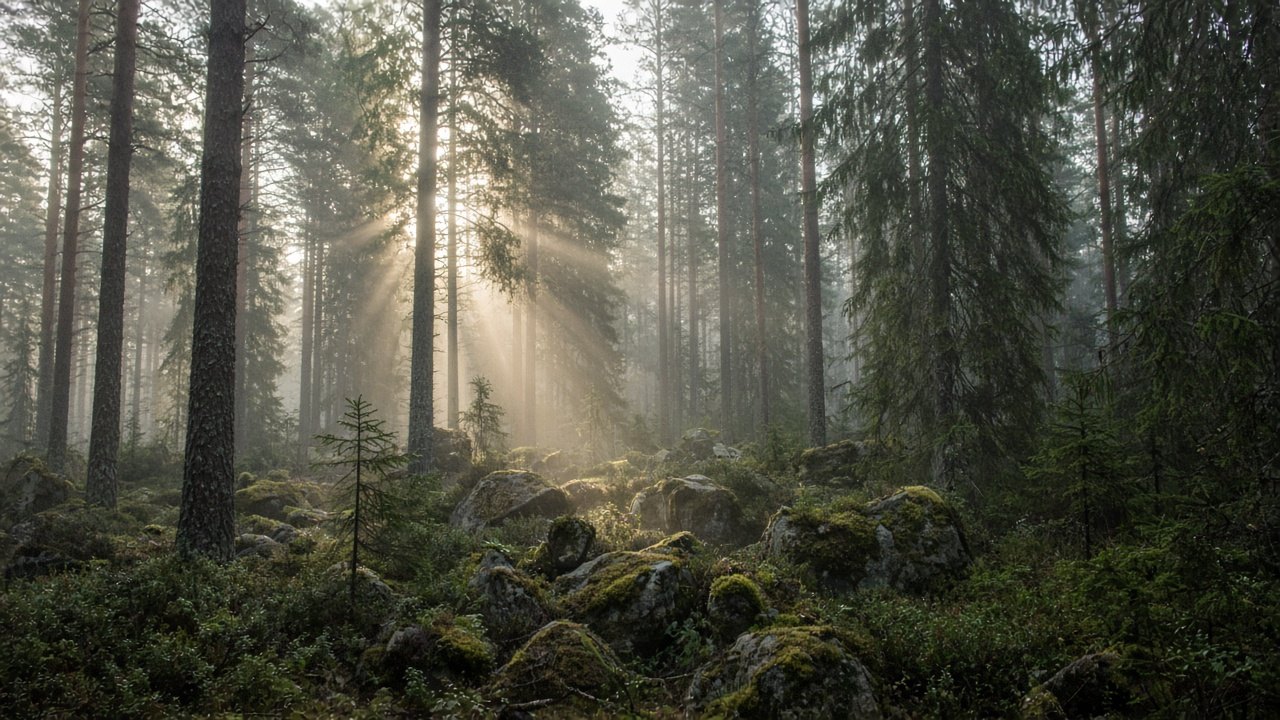
Let's protect our forests together!
Forests give us trails, mushrooms, quiet and fresh air. Here are concrete things you can do to help them thrive – at home and on the trail.
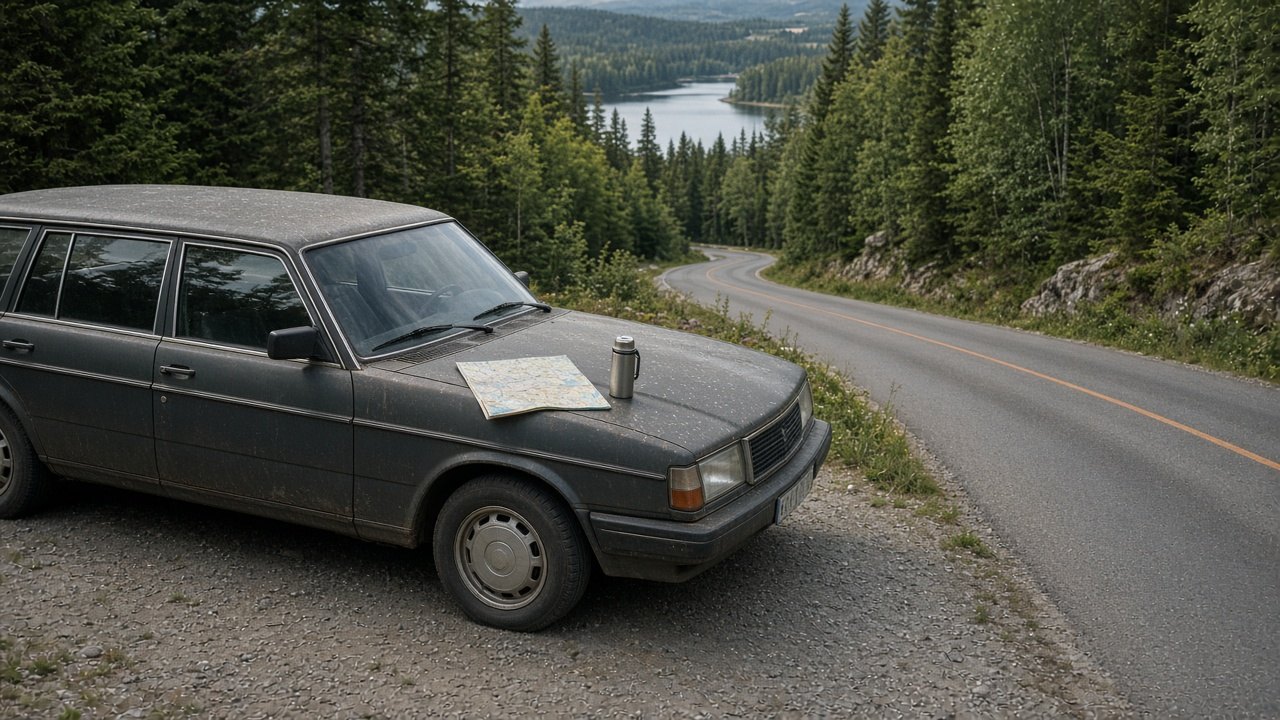
Organize a 6-step road trip for beginners
First road trip? A simple six-step plan saves stress and leaves more time for the fun parts: the road, the views and the stops you didn't know about.
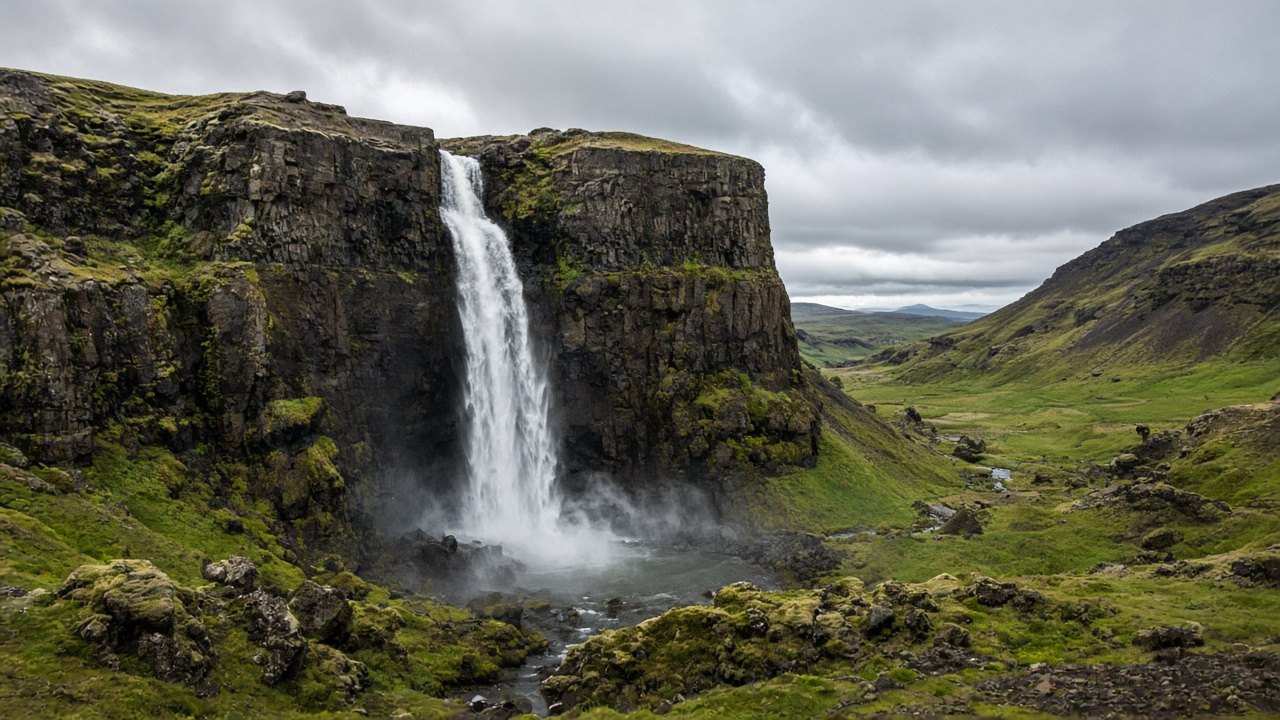
Top 5 photo spots in Iceland
Waterfalls, black beaches and icebergs drifting out to sea. Five classic photo spots in Iceland – and how to shoot them safely.